Loading...
Serving Tequesta, FL and surrounding areas. (561) 954-1589
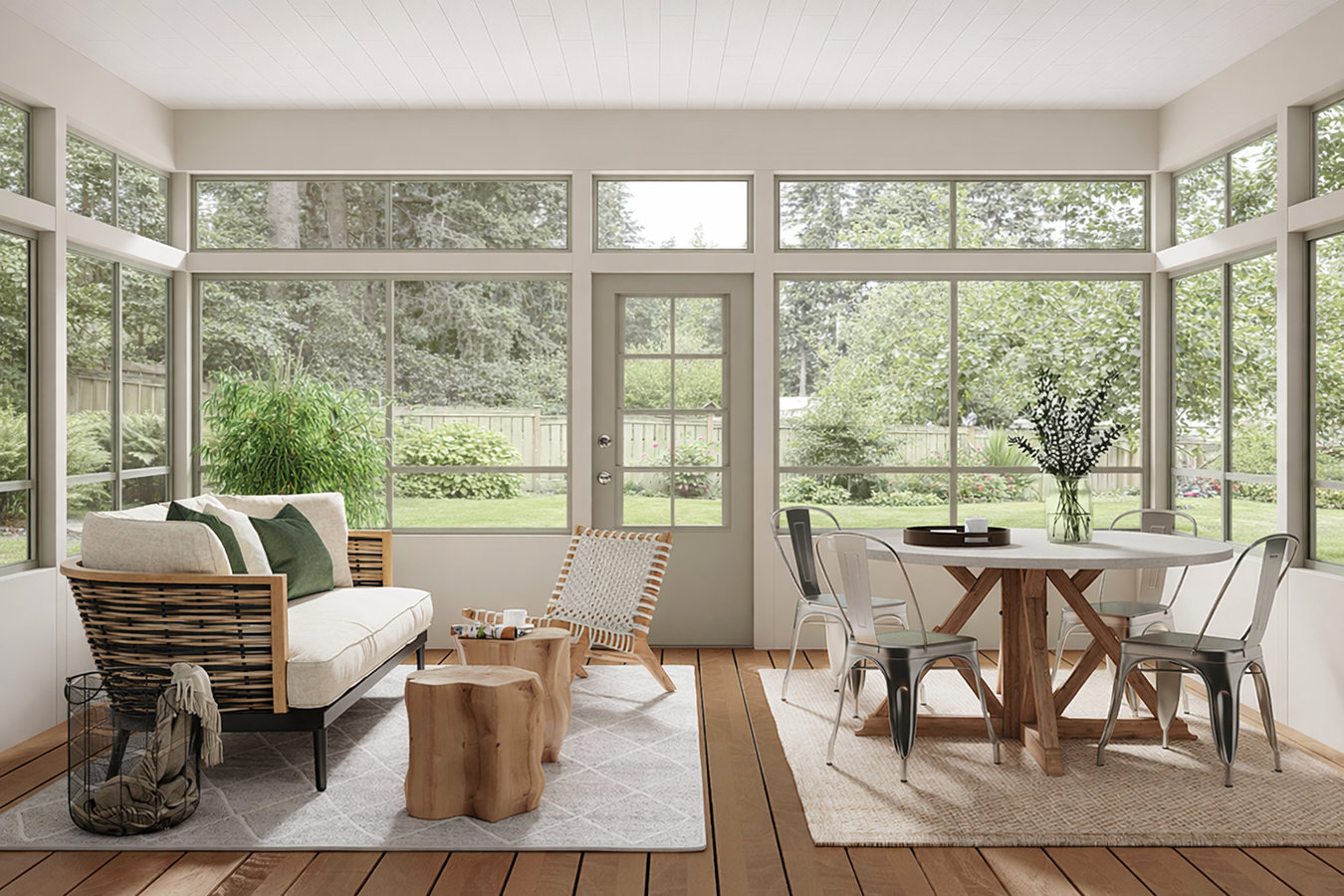
Cornerstone Tequesta Lanai Sunrooms & Patios is a sunroom contractor serving Wellington, FL, building enclosed patio rooms, screen enclosures, patio enclosures, and sunroom additions throughout the village. We understand Wellington's HOA approval process, pull permits through the Village of Wellington Building Division, and work with the concrete block and stucco construction found across the village's residential subdivisions. We respond to every inquiry within one business day.
Many Wellington homes built in the 1980s and 1990s have original concrete slab patios that are now exposed to direct sun all day, flooded during summer afternoon thunderstorms, and unusable for most of the year. Converting that slab into a proper enclosed patio room with screened or glass panels gives you a protected, livable space without pouring new footings - reusing the existing slab keeps the project cost down.
Wellington's flat terrain, high water table, and daily summer thunderstorms create standing water that breeds mosquitoes throughout the village from spring through fall. A properly built screen room using no-see-um mesh and aluminum framing engineered for Palm Beach County wind loads gives Wellington homeowners an outdoor living space they can actually use during the months when open patios are too hot, too wet, and too buggy to be enjoyable.
Wellington homes in gated subdivisions often have rear patios that face shared open space or backs of adjacent properties, and an enclosed patio creates a more private outdoor area while keeping the HOA-approved exterior look intact. We design patio enclosures to meet the material and color requirements common in Wellington's planned communities, and we handle both the HOA submission and the village permit.
Wellington's higher-end residential market includes a significant number of homes where owners want to add genuine conditioned living space rather than simply a screen enclosure. A sunroom addition to a Wellington home increases usable square footage in a way that adds real value to the property, and we work with both the HOA architectural review process and the village building permit process to get these projects done correctly.
Wellington homeowners who want to use their outdoor room year-round - not just in the mild November-through-April window - need a fully conditioned space with low-solar-heat-gain glazing and a dedicated HVAC connection. An all season room built to current Florida Building Code wind load requirements handles South Florida summers and meets the structural standards Palm Beach County inspectors require for permitted outdoor rooms.
Vinyl-framed sunrooms hold up well in Wellington's high-humidity climate and resist the surface oxidation that affects aluminum frames on properties near canals or drainage swales. For Wellington homeowners looking for a low-maintenance option that keeps its appearance over many years in South Florida's wet, sunny conditions, vinyl framing is worth considering as part of a new sunroom or three season room project.
Wellington is the most populous village in Florida, with around 60,000 residents in a community that was originally developed on drained swampland starting in the early 1970s. The bulk of the housing stock was built between the late 1970s and the early 2000s - almost entirely single-family concrete block and stucco construction, which is the standard method across South Florida. After 25 to 40 years of South Florida's heat, humidity, and hurricane seasons, the original screen enclosures, lanais, and patio covers on these homes have typically reached the end of their useful life. Frames oxidize, screen mesh tears and loses its UV and insect protection, caulk and sealant joints crack, and fasteners corrode in the elevated moisture environment that comes with Wellington's high water table and heavy summer rain.
Wellington's property landscape adds another layer of complexity that not every contractor is ready for. A large portion of the village is in gated communities or planned subdivisions with active HOAs that require architectural review before any exterior change is made to a home. That approval process runs on its own timeline, separate from the village's building permit process, and a contractor who has not worked in Wellington before may not know to account for both timelines when planning a project. Beyond the HOAs, Wellington also has a significant equestrian community along its western sections, where lots are large, drainage infrastructure is complex, and fencing and outdoor structures need to account for both the residence and the adjacent working land. Understanding what makes Wellington different from a standard suburban job is what separates a smooth project from a stalled one.
Our crew works throughout Wellington regularly, and we understand the local conditions that affect sunroom contractor work here. The Village of Wellington Building Division handles permit review for residential construction within village limits, and we prepare complete permit packages - including engineering drawings for wind load compliance - so applications do not get returned for missing documentation. Forest Hill Boulevard is the main east-west road through the village and where Village Hall is located; Lake Worth Road is another major east-west corridor serving the northern sections of the village. We work in neighborhoods across both corridors, from the older subdivisions near the center of the village to newer sections along the western edge. You can find the Village of Wellington building permit information and contact details on the village website.
Many Wellington properties back up to one of the village's canals or drainage swales, which means setback requirements and moisture levels at the slab and frame level are different from standard residential lots. We plan drainage, framing details, and slab sealing for canal-adjacent properties from the start of the design process, not after water issues appear. For HOA communities, we prepare the documentation needed for architectural review submission and can walk through what is typically required before the homeowner applies, to avoid back-and-forth delays with the review committee.
Wellington borders Royal Palm Beach, FL to the north, and the two communities share similar construction types and climate conditions. We also serve homeowners farther north in Hobe Sound, FL. If you are not certain whether your address falls within Wellington's village limits or an adjacent unincorporated area, contact us before your site visit and we will confirm it.
Call or submit an estimate request describing what you want - an enclosed patio, a screen room, a sunroom addition, or a full all season room. We respond within one business day to schedule a visit at your Wellington property.
We come to the property, measure the space, check the slab condition and existing structure, and note any HOA requirements, canal setbacks, or drainage constraints. You get a written estimate with a clear scope of work - no surprise costs, no pressure to commit on the spot.
For homes in HOA communities, we prepare the submission documents for architectural review. Once HOA approval is in hand, we submit the full permit package to the Village of Wellington Building Division. Materials are ordered after permit approval, and construction begins on the agreed schedule.
We schedule the village's final building inspection, walk through the finished space with you, and address any remaining items before considering the job done. You receive the signed permit card and any warranty documentation for materials and workmanship.
We serve all of Wellington, FL, including gated communities and equestrian neighborhoods. Free estimate, no obligation.
(561) 954-1589Wellington is a village in central Palm Beach County, incorporated in 1995 after decades of planned development on land that was originally drained swampland. It has grown into the most populous village in Florida, with around 60,000 residents spread across a mix of standard residential subdivisions, gated communities, and equestrian neighborhoods. Most homes are single-family concrete block and stucco construction built between the late 1970s and the early 2000s, though newer two-story homes and townhomes are also found throughout the village. Wellington is internationally known as an equestrian center and is home to the International Polo Club Palm Beach, which draws competitors and visitors from around the world during the winter polo season. That equestrian identity shapes large portions of the village's western neighborhoods, where lots are designed around horse ownership with paddocks, trails, and specialty fencing.
The village is bordered by Royal Palm Beach, FL to the north, and the two communities share the same flat, low-lying terrain, canal drainage infrastructure, and predominantly owner-occupied suburban housing stock. Wellington's southwestern edge sits near the Florida Everglades, and the entire village sits on land that was actively managed for drainage since the 1950s, which means a high water table and canal systems running through nearly every neighborhood. The Wellington Environmental Preserve, a large natural area within the village, protects wetlands and native habitat near the village's western sections. Lake Wellington, a 150-acre lake near the center of the village, is surrounded by residential neighborhoods and serves as one of the community's main geographic landmarks. You can find current information about the village's building and planning services at the Village of Wellington website.
Whether you need an enclosed patio room, a screen enclosure, or a full sunroom addition in Wellington, FL, we are ready to visit your property and give you a straight estimate.