Loading...
Serving Tequesta, FL and surrounding areas. (561) 954-1589
Cornerstone Tequesta Lanai Sunrooms & Patios is a sunroom contractor serving the Town of Palm Beach, FL, building solariums, custom sunrooms, and patio enclosures for estate homes and island properties. We prepare every permit submission for the Town of Palm Beach Building Department and understand the landmarks preservation review process that governs historic properties on the island.
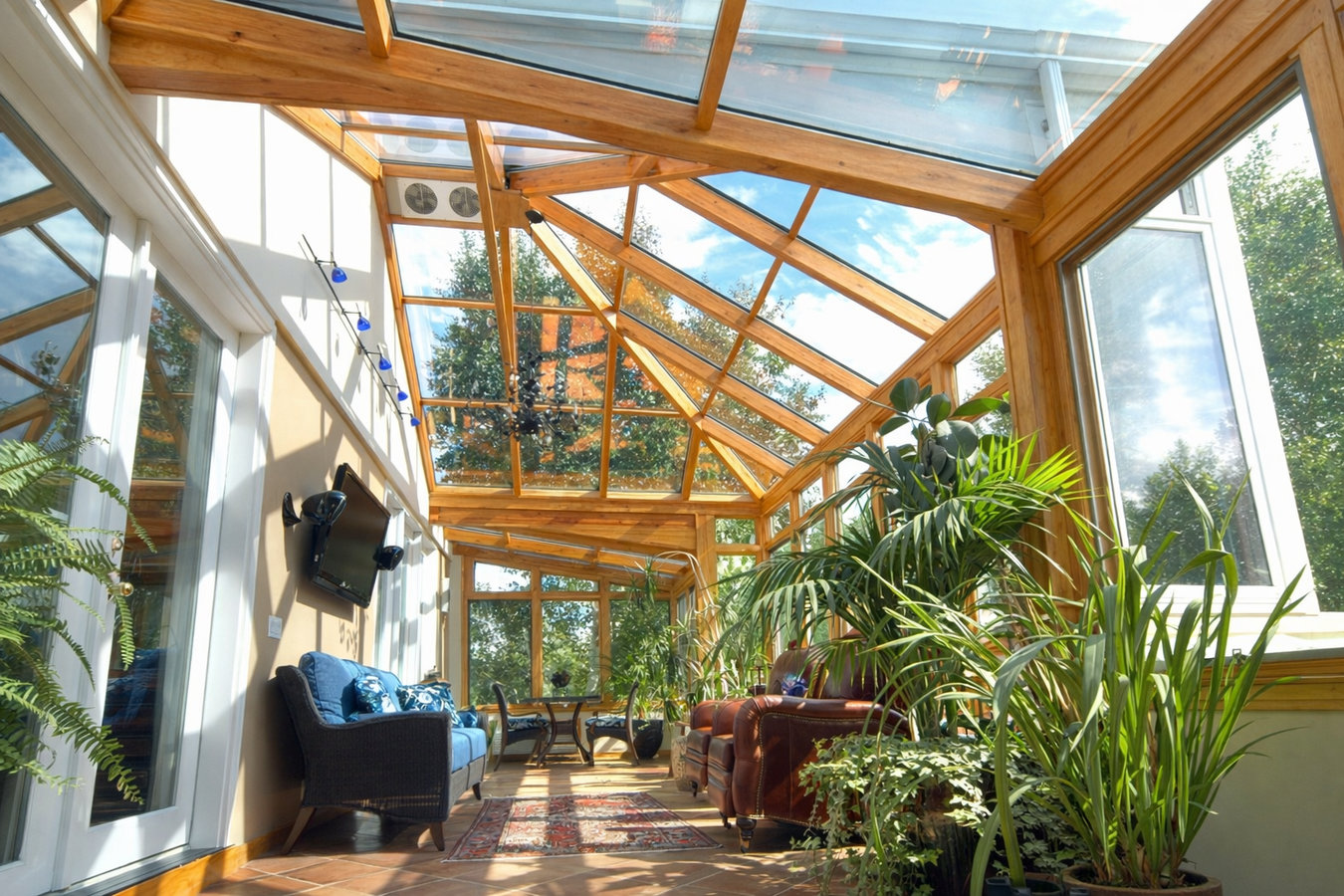
Palm Beach estate homes often have rear terraces or pool-side areas that already have the footprint and quality of finish to support a glass solarium - a fully glazed room that brings in natural light while protecting the interior from the island's intense sun and salt air. Learn what your property can accommodate with our solarium installation service, designed specifically for high-standard coastal properties.
Palm Beach homes are among the most architecturally distinctive in South Florida, ranging from Mediterranean Revival estates built in the 1920s and 1930s to mid-century modern properties along the Intracoastal. A custom sunroom on an island property must match the architecture closely, use materials rated for marine-grade corrosion resistance, and pass the town's detailed permit review - all of which require a contractor who works here regularly.
Many Palm Beach properties have tiled or paver terraces adjacent to pools or rear gardens that are entirely exposed to the Atlantic summer heat, afternoon thunderstorms, and relentless salt air. Enclosing that terrace with an impact-rated glazed or screened structure extends the useful season of the space and protects outdoor furnishings that deteriorate quickly in the unprotected island environment.
Palm Beach is an island entirely surrounded by water, which means insects, including no-see-ums, are a daily presence near any garden or pool terrace. A screen room using no-see-um mesh and marine-grade aluminum framing creates a fully usable outdoor living area without the bug intrusion that makes unscreened terraces uncomfortable for most of the year.
Seasonal residents on Palm Beach who return each winter want a living space that is comfortable the moment they arrive, even during the warmest November or March days. A fully conditioned four season sunroom with low-solar-heat-gain glass and a dedicated HVAC connection gives that space year-round comfort without depending on the main home's system to handle a large, sun-filled addition.
Open pool and garden terraces on Palm Beach estates receive direct UV exposure for most of the year, accelerating wear on tile, pavers, and outdoor furnishings and making the space uncomfortable during the midday hours. A permitted patio cover adds shade and weather protection while keeping the design open and in keeping with the property's architecture - important on an island where exterior appearances are carefully maintained.
The Town of Palm Beach is a narrow barrier island with the Atlantic Ocean on the east and Lake Worth Lagoon on the west, and that geography creates conditions that affect every outdoor structure on the island. There is no part of Palm Beach that is sheltered from salt air - every property gets it from both sides. Salt air corrodes aluminum frames, degrades caulk and sealants, rusts fasteners, and destroys screen mesh faster than almost anywhere else in South Florida. Homes built in the 1920s through the 1960s - which describe a large share of the island's residential stock - often have original screened lanais or loggias that are now well past the useful life of their standard materials. The right response is not to patch and defer: it is to replace with marine-grade components that will hold up in this specific environment.
The town itself adds another layer of complexity that does not exist in most Florida municipalities. Palm Beach has one of the most active landmarks preservation programs in the state, and exterior changes to many older homes require review and approval before a building permit is issued. The town also enforces Florida's high-velocity hurricane zone wind-load requirements, which means structural engineering is required for all new permanent outdoor structures. Many properties fall within FEMA flood zones given the island's low elevation, which can affect foundation and slab design for new additions. Working in Palm Beach requires a contractor who knows the town permit process, has experience with the landmarks review, and uses materials appropriate for an oceanfront barrier island - not just any contractor who can read a blueprint.
Our crew works throughout the Town of Palm Beach regularly, and we understand the local conditions that affect sunroom contractor work here. The Town of Palm Beach Building Department at Town Hall on South County Road is the permit authority for all construction on the island. We prepare permit submissions that include the required engineering drawings and, where applicable, documentation for the Landmarks Preservation Commission review. Getting that paperwork right the first time matters because an incomplete submission adds weeks to the schedule - a real problem for seasonal residents managing projects from out of state.
South County Road is the main north-south corridor through the town, running the full length of the island past the The Breakers Palm Beach resort and through the older residential neighborhoods that make up most of the island's interior. North County Road runs along the quieter north end of the island where some of the larger estate properties are located. Worth Avenue, the town's main commercial corridor, cuts across the island near the southern end and is the landmark most visitors recognize. We work in all sections of the island and understand the permit and material requirements that apply throughout.
Palm Beach sits directly across Lake Worth Lagoon from West Palm Beach, FL, the county seat and the largest city in Palm Beach County, where we also work regularly on a wider range of residential property types. To the north, North Palm Beach, FL is another Intracoastal-area community we serve, where Intracoastal salt-air conditions apply to many properties along the waterway.
Reach out by phone or through the contact form and we will respond within one business day. We ask about your property address, the type of room or enclosure you have in mind, and whether the home has any historic designation - that last detail affects the permit timeline and we want to flag it early.
We visit the property, measure the space, assess the existing structure, and review any landmarks preservation considerations that apply. From there we provide a detailed written estimate that covers materials, labor, permitting fees, and a realistic schedule - no vague ranges, no surprises added later.
We prepare and submit all required drawings and engineering documents to the Town of Palm Beach Building Department, including any materials required for Landmarks Preservation Commission review when applicable. Construction begins after permit approval; for a standard patio enclosure or screen room, on-site work takes two to four weeks once permits are in hand.
After construction is complete, the town inspector visits for the final sign-off. We walk you through the finished room, review how any operable windows, doors, or HVAC connections work, and confirm that everything matches what was permitted. You receive copies of the permit and inspection records for your property file.
We serve the Town of Palm Beach and understand the island permit process, landmarks review, and marine-grade material requirements. Call or submit a request today.
(561) 954-1589Palm Beach is a town on a narrow barrier island in Palm Beach County, bordered by the Atlantic Ocean to the east and Lake Worth Lagoon to the west. The town covers only a few square miles and is one of the smallest municipalities in the county by land area, yet it is among the most recognized communities in Florida. The permanent population is a fraction of the winter population, as many residents are seasonal, arriving from the Northeast and Midwest between November and April and departing before the summer heat sets in. Worth Avenue, the town's luxury retail and dining corridor, runs from the ocean to the lagoon near the southern end of the island and is the commercial center most people associate with the Palm Beach name. The Town of Palm Beach operates its own municipal services, including a building department and landmarks preservation program, that are separate from Palm Beach County.
The housing stock in Palm Beach is dominated by large estate-scale homes, many built in the Mediterranean Revival and Spanish Colonial Revival styles that were popular when the town developed in the early 20th century. Stucco over concrete block or poured concrete is the standard construction method, with tile roofs, courtyard layouts, and mature tropical landscaping on large lots. A meaningful share of these properties carry historic designations, which means exterior work requires the additional step of landmarks review. Nearby, Riviera Beach, FL to the north has a different profile - more mid-century residential homes at a wider price range - but the same Intracoastal salt-air conditions apply. Across the lagoon to the west, West Palm Beach, FL is the county's urban center and serves as the mainland counterpart to the island town.
Call us today or submit a free estimate request - we know the island permit process and can get your project moving without delays.